When importing custom LED driving lights from China, how are tooling costs calculated?
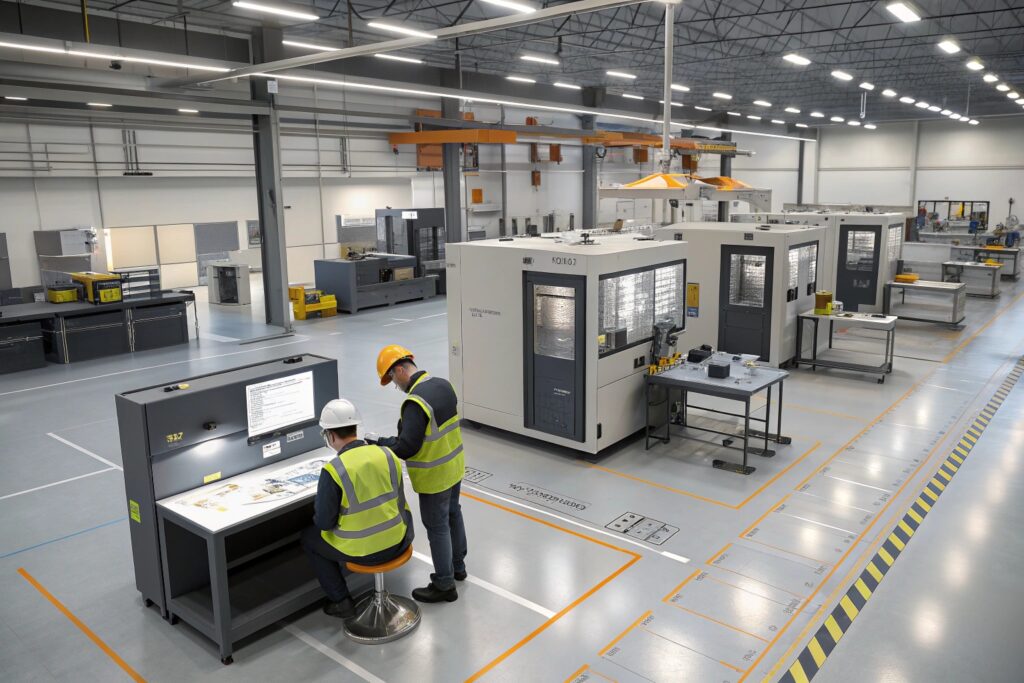
Importing custom LED driving lights from China involves understanding tooling costs, which represent a significant one-time upfront investment. Tooling includes mold fabrication, engineering, prototype development, and sample trials. Manufacturers often amortize tooling costs over the minimum order quantity (MOQ) to reduce the per-unit impact, and per-unit costs decrease as production volume increases. Clear comprehension of tooling factors, cost transparency, and proper supplier negotiation can save importers from unexpected expenses and disputes.
- What factors influence mold pricing?
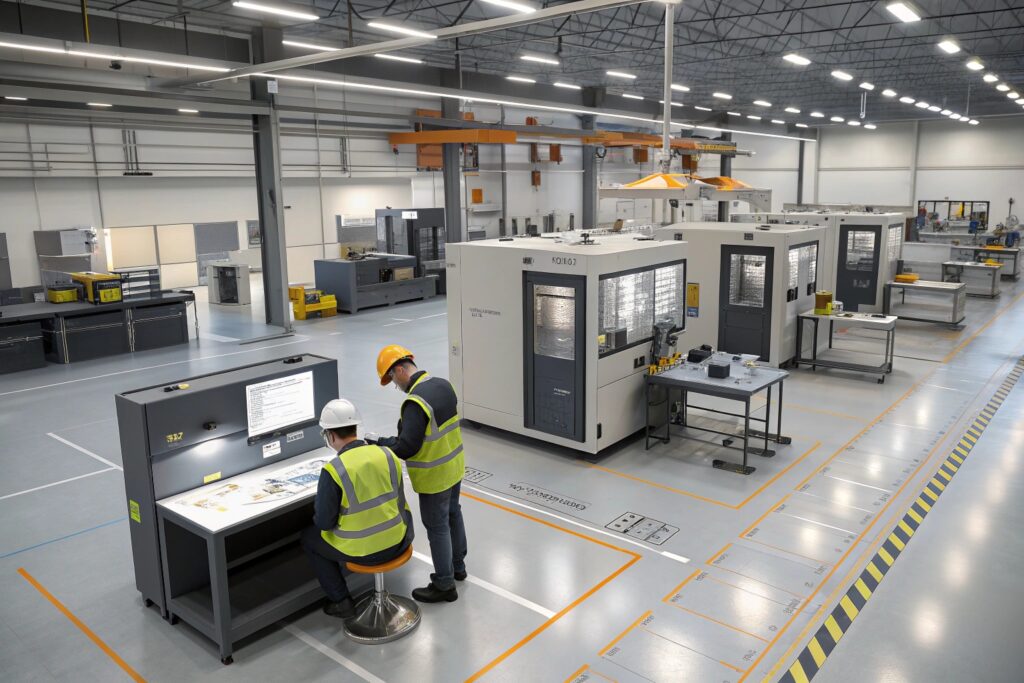
Tooling costs depend on several critical factors. Material selection, machining time, and the complexity of mold geometry significantly affect pricing. Simple molds cost less than complex multi-cavity or precision molds, while special materials or tight tolerances increase costs. Engineering, design, and prototype development are often included in tooling fees, and suppliers usually require payment upfront for custom designs. Additionally, suppliers may base quotes on drawings or samples provided by the customer, consult material vendors, and leverage experience from similar previous products.

- How do I avoid hidden tooling costs?
Hidden costs may arise from engineering adjustments, mold modifications, or additional sample and pilot build charges. To avoid surprises, request a detailed cost breakdown including non-recurring engineering (NRE) fees, mold design, trial runs, and PCB or optical tooling if applicable. Negotiating shared tooling or refund options after cumulative order volumes can further reduce overall costs. Ensuring all assumptions such as material selection, tolerances, and design specifications are explicitly documented in the quotation prevents misunderstandings during production.

- Should tooling be quoted separately?
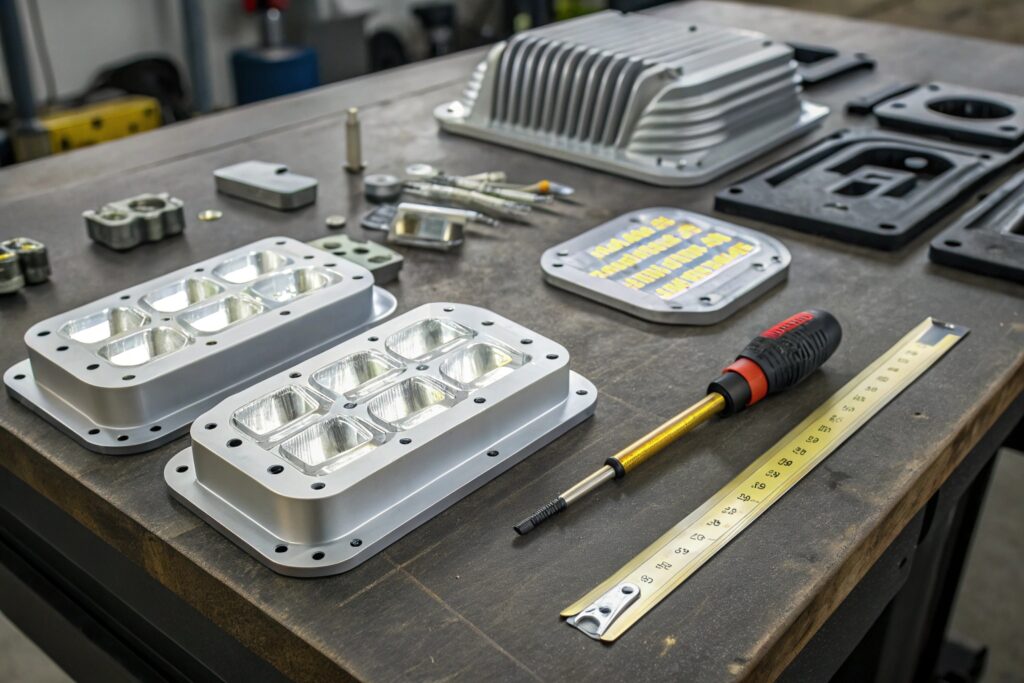
Tooling should ideally be quoted separately from per-unit production costs. Separate quoting—covering plastic injection molds, die-casting or stamping tools, and PCB tooling—enhances transparency and allows for more accurate calculation of per-unit amortized costs. It also simplifies comparison across multiple suppliers and facilitates budgeting, forecasting, and financial planning for new product launches. Clear separation of tooling costs ensures that one-time investments are distinguished from ongoing production expenses.
- How can tooling transparency reduce disputes?
Transparent tooling quotes reduce disputes by establishing clear expectations for both buyer and supplier. Detailed breakdowns including material, labor, machine time, engineering, trial runs, and profit margin allow importers to assess the reasonableness of costs. Explicit documentation of any assumptions or special requirements ensures both parties agree on scope and pricing before production. This level of clarity minimizes surprises, supports smooth production, and strengthens long-term supplier relationships.
References