
When Importing Custom LED Driving Lights from China, Am I Working with a Supplier Experienced in OEM LED Projects?
Importing custom LED driving lights from China is no longer just about price or product appearance. For buyers targeting regulated markets such as the U.S., Europe, or Australia, the real question is whether the supplier has genuine OEM LED project experience—or is simply reselling catalog products. OEM experience directly affects compliance, performance consistency, project risk, and long-term scalability.
Below are the key factors to help you evaluate whether your supplier is truly capable of supporting OEM LED driving light projects.
- How Do I Confirm My Supplier’s OEM LED Project Experience?
The most reliable indicator of OEM capability is proven project history, not marketing claims. Suppliers with documented export experience and internationally recognized certifications are significantly more likely to have completed real OEM LED projects for overseas markets [1][2].
Experienced OEM suppliers are typically manufacturers with their own production facilities, not pure trading companies. They can demonstrate in-house OEM/ODM capabilities such as custom optics, housings, drivers, branding, and packaging, rather than only offering off-the-shelf catalog products [1][3][4].
You should expect them to:
Provide product samples from previous or similar projects
Explain manufacturing processes clearly and transparently before mass production
Show valid and verifiable certifications such as CE, RoHS, UL, or market-specific approvals [2][4]
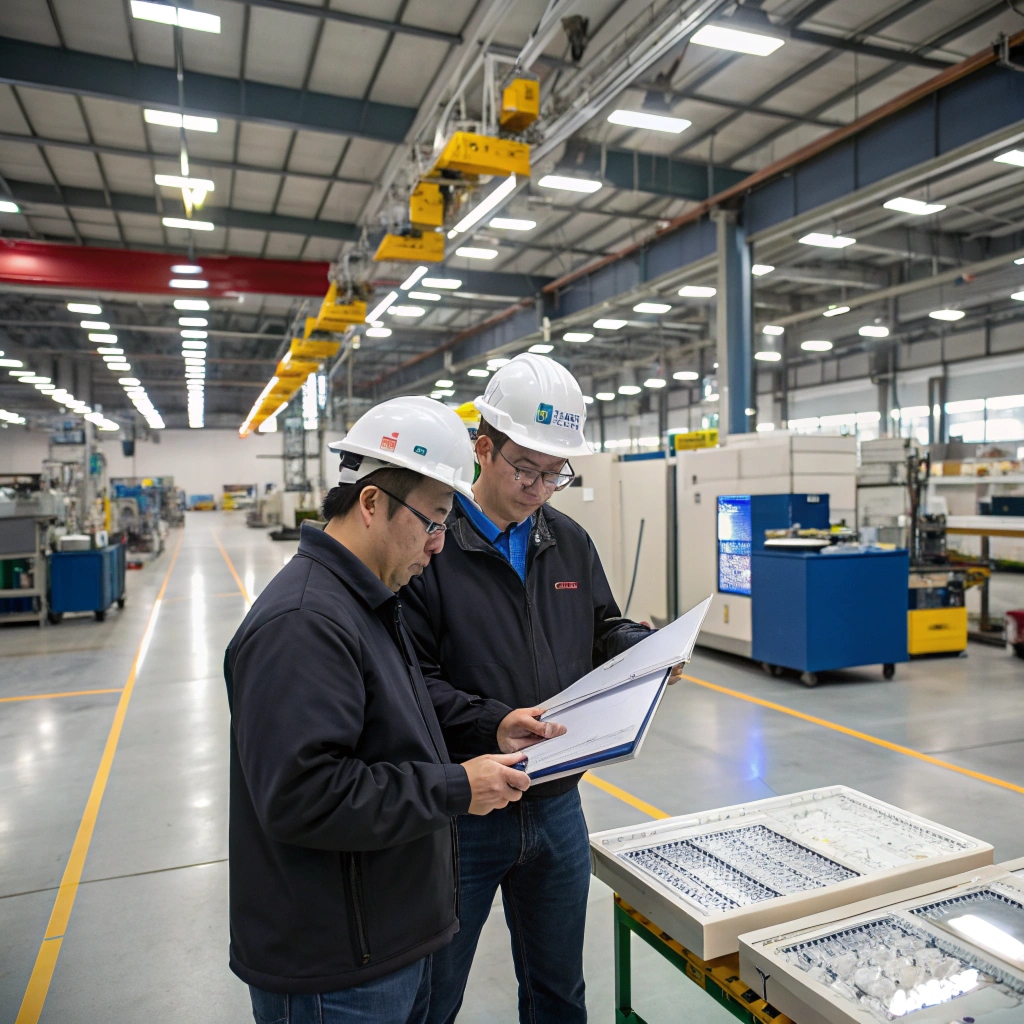
In practice, buyers can also request previous project packaging designs or certification copies (with sensitive information masked) as tangible proof of OEM experience. Asking suppliers to walk through their end-to-end OEM project workflow—from design to shipment—is another effective way to verify real capability.
- Why Does OEM Experience Matter More Than Catalog Products?
Catalog products are designed for general sale, while OEM LED driving lights are engineered to meet specific performance, regulatory, and branding requirements. Suppliers with real OEM experience typically invest in R&D and engineering teams, covering optical design, thermal management, electronics, and mechanical structure [3][4].
Such suppliers can:
Modify designs based on client-provided CAD files or prototypes
Share drawings, photometric data, and design iterations
Adapt products to different vehicle applications, beam patterns, or durability requirements
In contrast, suppliers focused only on catalog items often lack the technical depth needed to customize optics, drivers, or thermal solutions, which limits product differentiation and increases long-term risk.

- What Technical Risks Exist with Inexperienced Suppliers?
Working with suppliers that lack OEM depth introduces multiple technical and compliance risks. Common red flags include vague answers about previous projects, no direct access to engineering staff, or an inability to explain applicable standards for your target market [2][3].
Inexperienced suppliers may also struggle with:
Selecting appropriate LED chips and drivers with verified lifetime data and approvals
Providing consistent and valid test reports for certifications such as DOT/SAE, E-mark, CE, EMC, IP ratings, vibration, or thermal testing [2][4][6]
Managing packaging, labeling, and documentation required for import compliance
Factory audits or third-party inspections are often the fastest way to determine whether a supplier’s claimed OEM capabilities align with their actual production and quality control systems [2][5].

- How Does OEM Experience Impact Long-Term Project Success?
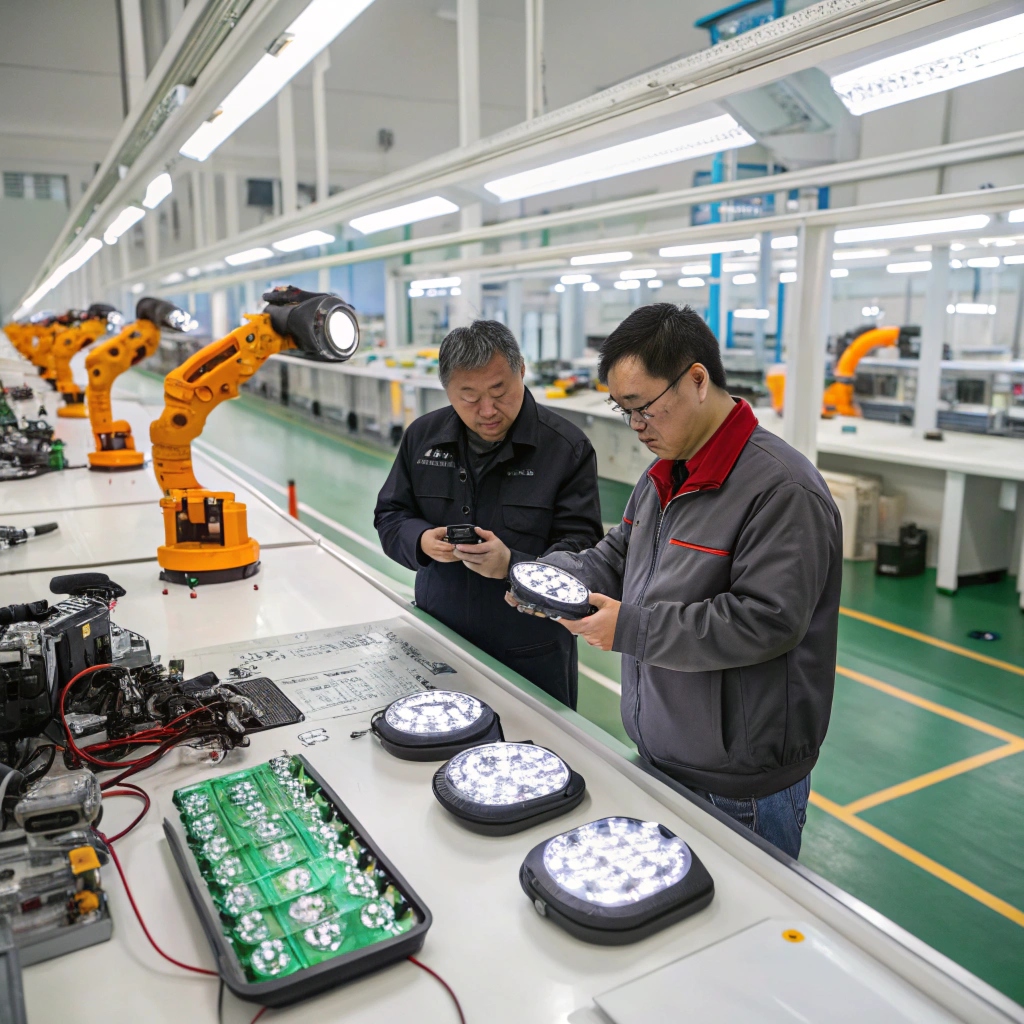
OEM experience directly influences a project’s ability to scale and remain stable over time. Suppliers with a history of long-term OEM partnerships typically have structured processes for design review, prototyping, validation testing, pilot runs, and mass production quality control, including aging tests and in-process inspections [2][3][4].
They are also better prepared to handle:
Compliance documentation and export paperwork
Low-volume pilot builds followed by scalable mass production
Consistent quality across batches as volumes grow
Suppliers who can demonstrate long-term cooperation with established brands—or at least detailed, anonymized case studies—are statistically more reliable partners for custom LED driving light projects than those without such references.
Conclusion
In practice, you can only be confident that a Chinese LED driving light supplier is experienced in OEM projects if they can prove past custom work, engineering capability, and compliance readiness for your target market. If a supplier cannot demonstrate a structured OEM process, valid certifications, and real project references, you are likely not working with a true OEM LED project partner yet [1][2][3].
References
1. Lightstec – China LED Light Factory
2. HomeMateTech – How to Vet LED Light Factory
3. HiShine – OEM & ODM LED Projects
4. SE.Lighting – OEM & ODM Services
5. NaoEvo Lighting – How to Find Real OEM LED Suppliers on Alibaba
6. Lighting Design & Specification – 10 Key Questions to Ask Suppliers
7. Electrical Industry – 10 Key Questions to Ask Lighting Suppliers
8. MyLEDY – 7 Steps to Find a Professional LED Strip Supplier from China